If you’re missing most or all of your teeth, you have two paths for replacing them: a traditional denture that rests on your gums, or a denture anchored to dental implants in your jawbone. Both replace your teeth, but they work very differently.
Our Nashville practice offers both types of restorations to complete your smile. Here’s how the two options compare, and who handles each step of implant treatment.
The Basics
A traditional full denture rests on top of your gums. An upper denture relies on the roof of your mouth for support, and a lower denture relies on the ridge of your jawbone. Some also need denture adhesive to hold them firmly in place.
Because nothing anchors them, traditional dentures sit on your gums and can easily slide out of place. Many wearers notice them shifting, wobbling, or slipping when they speak or chew. Getting used to a new denture can take weeks or even months, and reaching a comfortable fit usually takes several office visits.
There’s also a longer-term issue. After teeth are lost, the jawbone gradually shrinks. Over time, that can lead to facial collapse, such as sunken-in cheeks. Traditional dentures typically need a reline every one to two years and last about seven to ten years on average.
Titanium Posts as Tooth Roots
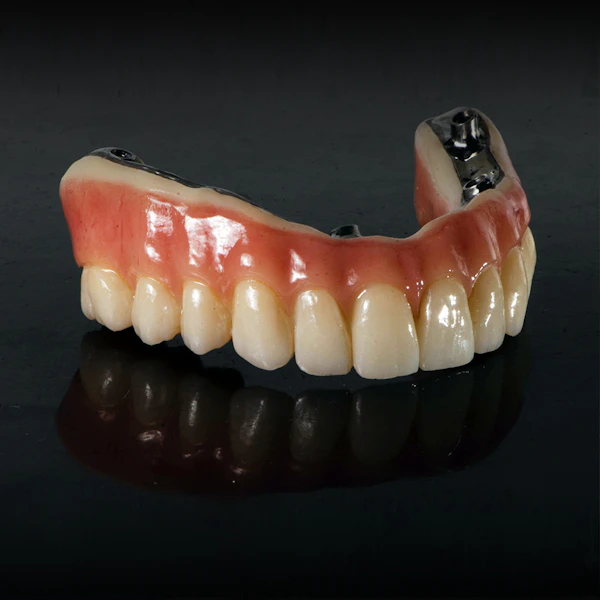
An implant-supported denture attaches directly to dental implants, which are titanium posts placed in your jawbone. Your bone fuses to each post over time, so the implants work like new tooth roots.
That anchor gives the denture better stability for eating, chewing, and speaking, so it won’t shift, slide, or fall out while you eat or talk.
Your natural tooth roots keep your jawbone strong by stimulating it every time you chew. When teeth are lost, the jaw loses that stimulation. Dental implants are the only restorative option that can mimic that function, which is why they help preserve the bone a traditional denture would just rest on.
Just like your teeth, an implant-supported denture can stimulate the jawbone and keep it healthy.
Side by Side
Resting on the Gums
Traditional Dentures
Hold: Rest on the gums, sometimes with adhesive
Stability: Can shift or slip when speaking or chewing
Jawbone: Bone continues to shrink after tooth loss
Upkeep: Reline every one to two years; lasts about seven to ten years
Surgery: No surgery needed
Implant-Supported
Implant Dentures
Hold: Anchored to implants in the jawbone
Stability: Improved stability for eating and speaking
Jawbone: Implants help prevent bone loss
Upkeep: Implants can last decades or a lifetime; the denture may need replacing after about a decade
Surgery: Implant placement plus three to six months of healing
A Coordinated Treatment Plan
I don’t place dental implants myself. For the surgical part of your treatment, we coordinate with the team at Dental Haus Germantown, the dedicated implant practice within my family of offices.
I see you for your consultation at my Green Hills office, and once you’ve healed, you return to us for your denture.
Green Hills Office
Consultation With Me
X-rays show the condition of your jawbone and any remaining teeth.
Dental Haus Germantown
Implant Surgery
The surgeon makes a small incision, embeds the titanium posts in your jawbone, and closes the site with sutures.
3 to 6 Months
Healing
Your bone fuses to the implants. Most people feel back to normal within about a week of surgery.
Dental Haus Germantown
Abutments
Your implant dentist places the abutments, the small connectors that attach the denture to the implants.
Green Hills Office
Permanent Denture
You return to our office, where I place your implant-supported denture.
Our team coordinates closely with Dental Haus Germantown. From your consultation through the placement of your new teeth, you can expect a streamlined treatment plan.
Important Considerations
Implant-supported dentures may be recommended if you’re missing most or all of your teeth. To qualify, you need enough bone in your jaw to hold the implants firmly in place.
If your jawbone has thinned, that doesn’t automatically rule you out. Bone grafting can add density to the jawbone so it can support traditional implants, or you may qualify for a different technique. X-rays will help us determine whether you might benefit from preparatory treatment.
Restoring a Complete Smile
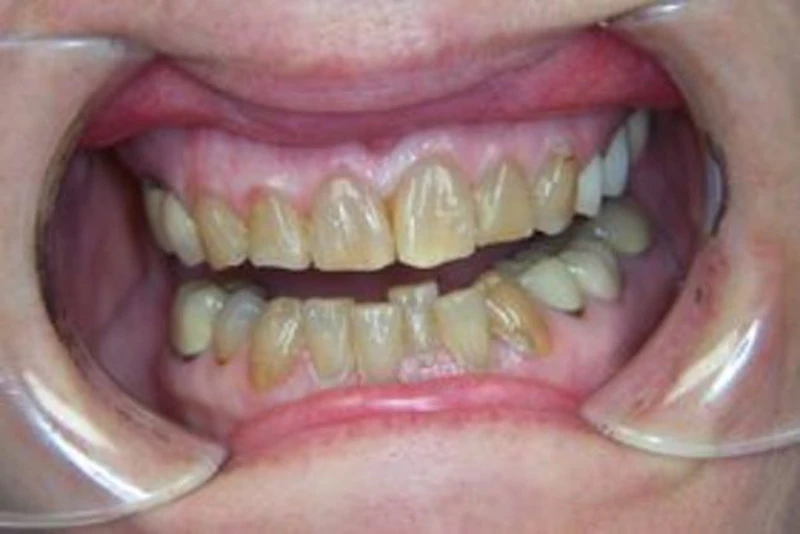
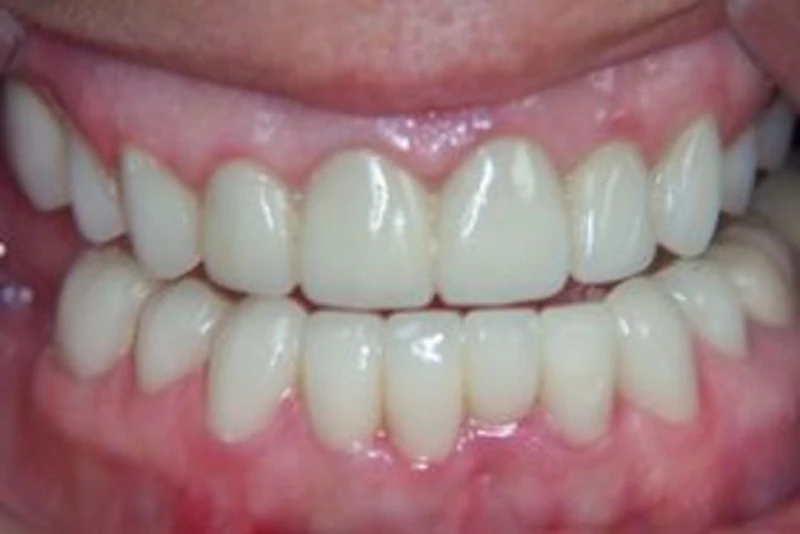
Implant-supported dentures are often incorporated into a full mouth reconstruction. Implants can also secure crowns and bridges. The case below used custom crowns to replace failing restorations.
Before
After
Full mouth reconstruction with custom crowns. Individual results vary.
I’d be glad to talk about your needs and goals. We offer a Dental Savings Plan and CareCredit® financing, and the entire patient experience is designed for the utmost comfort.
Or call us at (615) 385-3507